
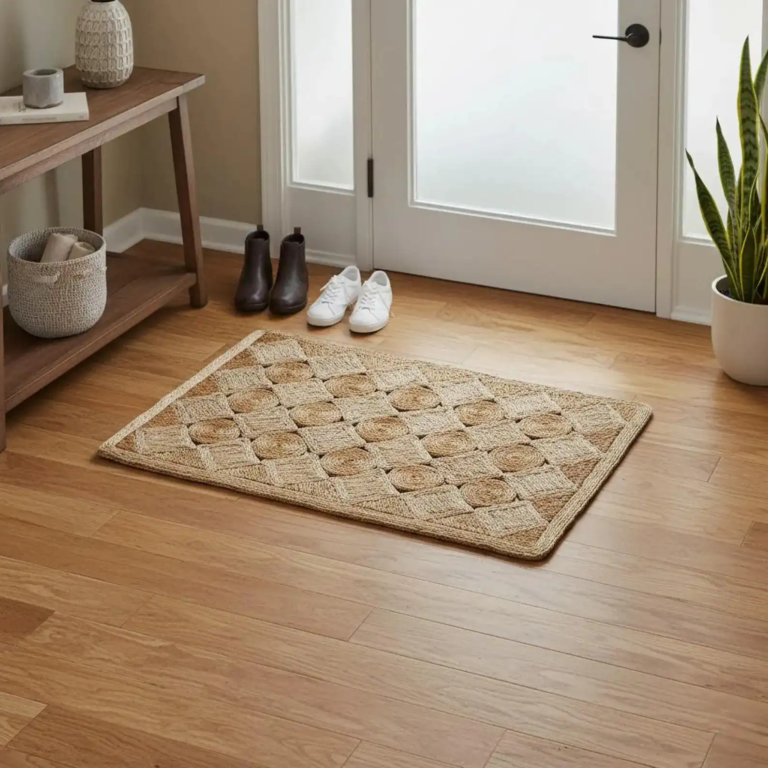
Natural materials are becoming the first choice for modern homeowners, especially when it comes to entryway styling. Jute doormats stand out for their sustainability, durability, and timeless design that fits effortlessly into any home.
If you’re comparing jute doormat indoor vs outdoor use, it’s important to understand where jute performs best and where it may not be suitable. Choosing the right placement can directly impact durability, maintenance, and overall look.
In this guide, you’ll learn where to use a jute doormat, whether indoor or covered outdoor spaces are ideal, and how to choose the best jute doormat for your entryway.
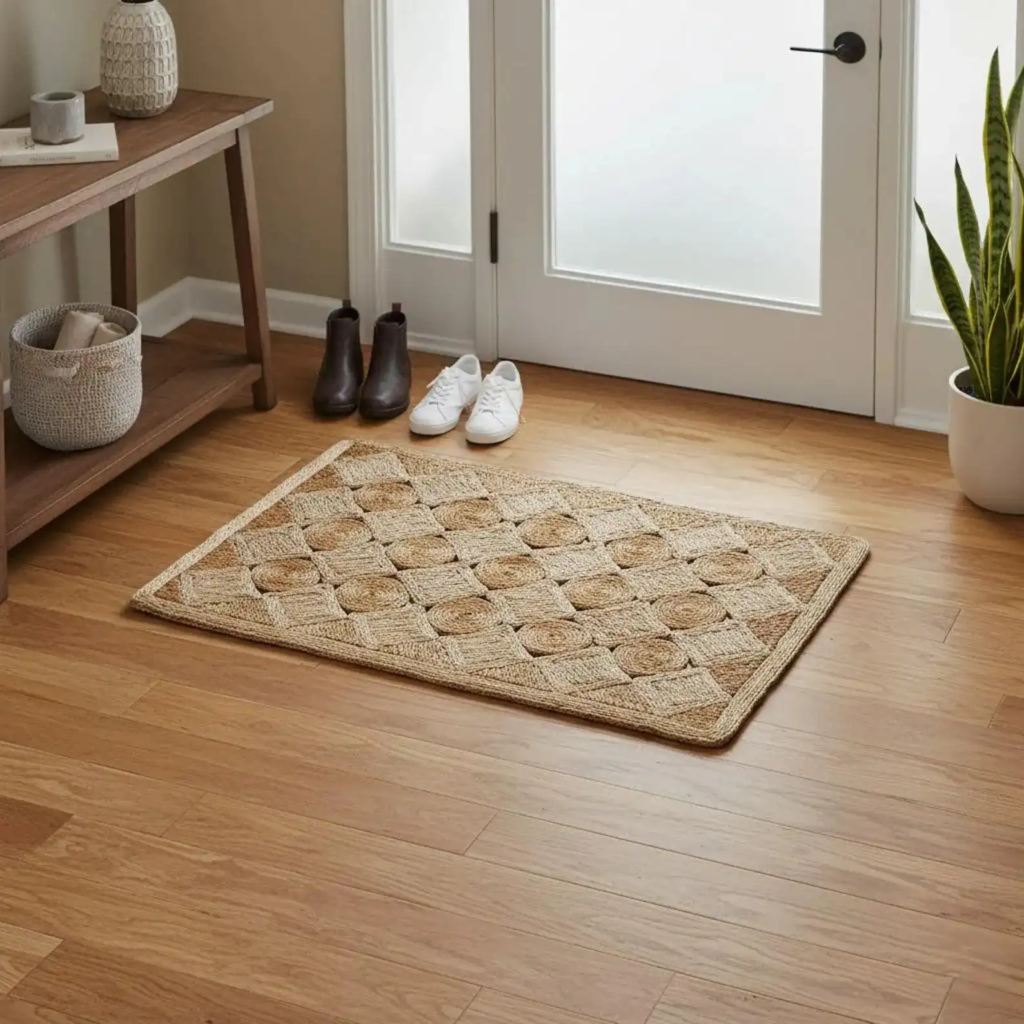
What Is a Jute Doormat?
A jute doormat is made from natural plant fibers that are spun into thick, textured yarn and woven into durable mats.
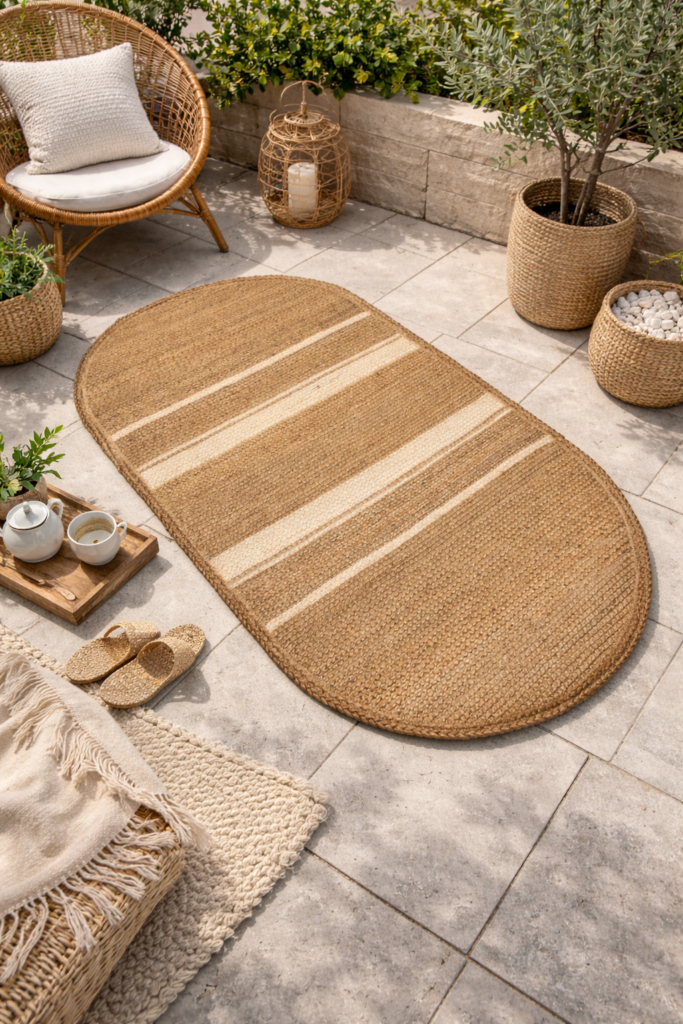
Why homeowners love jute:
- 🌱 Biodegradable & eco-friendly
- 🧵 Strong, coarse fibers that trap dirt effectively
- 🎨 Neutral tones that suit any decor style
From modern minimal homes to boho and coastal interiors, jute fits effortlessly into almost any design aesthetic.
Jute Doormat Indoor vs Outdoor Use
Understanding the difference between indoor and outdoor use is crucial when choosing the right jute entryway mat.
Jute Doormat Indoor vs Outdoor: Key Differences
| Feature | Indoor Use | Outdoor (Covered) |
| Durability | High | Medium |
| Moisture Resistance | Low concern | High risk |
| Maintenance | Easy | Moderate |
| Lifespan | Long | Shorter |
Jute Doormat Indoor Use: Where It Works Best
Jute doormats perform best in dry, controlled environments. Indoors, they maintain their structure, texture, and durability for years.
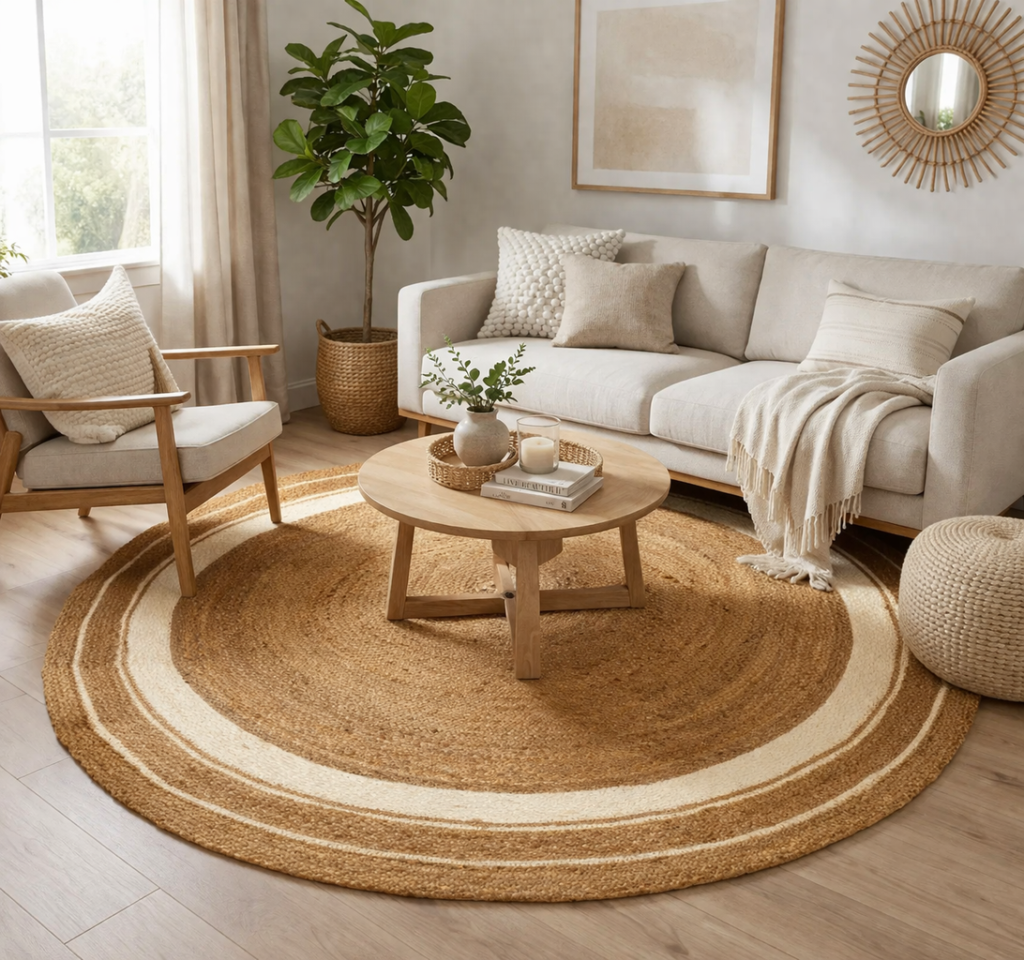
Best Indoor Space for Jute Doormat
- 1. Entryways and foyers
Ideal for trapping dirt while adding a welcoming, textured look. - 2. Living rooms
Works well under coffee tables or seating areas to anchor furniture. - 3. Bedrooms
Adds warmth and comfort when placed under or beside the bed. - 4. Home offices
Provides a clean, natural base that complements minimalist workspaces.
Why it works:
- Effectively traps dust and dirt from shoes
- Adds warmth and texture to your space
- Enhances aesthetic appeal without overpowering décor
👉 If your goal is both function and style, indoor use is the best choice.
Jute Doormat Outdoor Use (Covered Areas Only)
Jute is durable but not weatherproof.
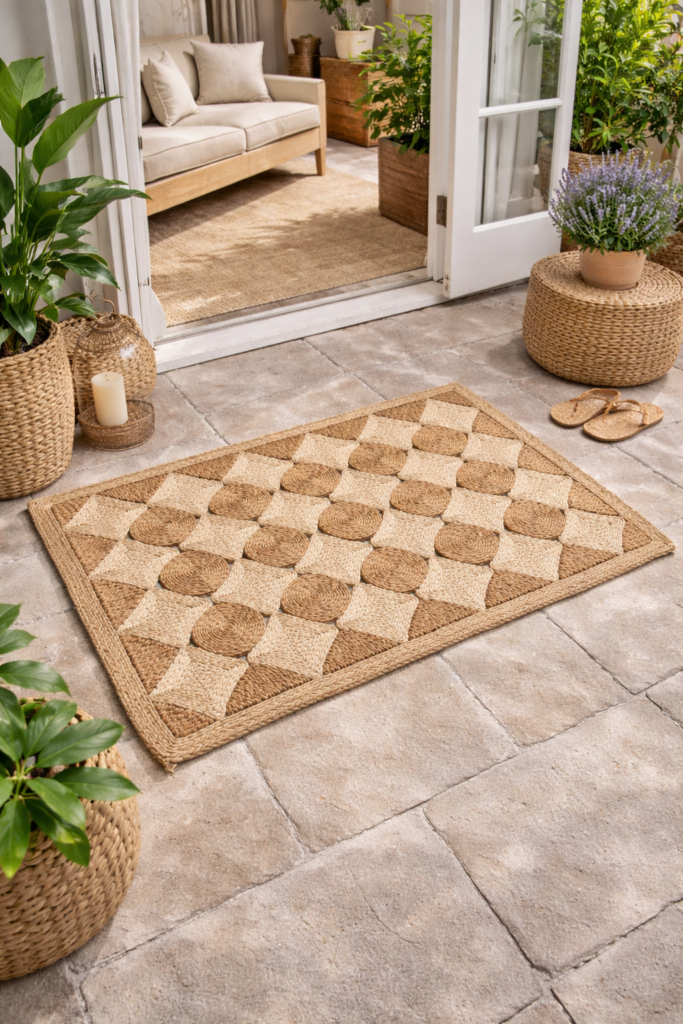
You CAN use jute outdoors if:
- The area is fully covered
- There’s no direct exposure to rain
- Humidity levels are low
Best Outdoor (Covered) Spaces for jute Doormat
- Covered porches
Perfect for styling entrances while staying protected from weather. - Sheltered balconies
Adds texture and warmth to small outdoor seating areas. - Entryways with awnings
Works well where there is minimal exposure to rain or moisture.
Avoid placing jute in:
- Open patios
- Rain-exposed areas
- Bathrooms or damp basements
💡 Pro Tip: Moisture is jute’s biggest enemy, it can lead to mold, odor, and fiber damage.
Pros and Cons of Using Jute Rugs Indoors and Outdoors
Pros of Indoor Use
- Adds natural warmth and texture
Jute rugs instantly make a space feel more inviting by adding an organic, earthy layer that softens hard flooring. - Eco-friendly and sustainable
Made from biodegradable plant fibers, jute rugs are a great choice for environmentally conscious homes. - Versatile across décor styles
They blend seamlessly with modern, boho, coastal, and minimalist interiors without overwhelming the design. - Comfortable for light-use areas
Ideal for spaces like bedrooms and living rooms where foot traffic is moderate and controlled.
Cons of Indoor Use
- Low stain resistance
Jute absorbs liquids quickly, which can lead to permanent stains if not cleaned immediately. - Slightly rough texture
Compared to wool or cotton, jute feels firmer underfoot, which may not suit lounging areas. - Requires regular upkeep
Dust and debris can settle into the fibers, making frequent vacuuming necessary. - Not ideal for high-traffic zones
Heavy footfall can cause faster wear and fiber loosening over time.
Pros of Outdoor (Covered) Use
- Creates a welcoming entryway look
Jute mats bring a warm, natural aesthetic that enhances first impressions at the entrance. - Enhances organic exterior styling
Perfect for boho patios, rustic porches, and nature-inspired outdoor spaces. - Lightweight and easy to maintain
Easy to shake out, move, and reposition as needed. - Works well in shaded areas
Performs well in covered spaces where it is protected from direct exposure.
Cons of Outdoor Use
- Highly sensitive to moisture
Jute fibers absorb water quickly, which can weaken them and cause damage. - Risk of mildew and odor
In humid conditions, trapped moisture may lead to mold or unpleasant smells. - Shorter lifespan outdoors
Even in covered areas, prolonged exposure to environmental elements can reduce durability. - Not suitable for open outdoor use
Areas exposed to rain, snow, or heavy humidity are not recommended.
How to Protect and Maintain Jute Rugs for Indoor and Outdoor Use
Proper care is essential to extend the life of jute rugs, especially when used near entryways.
Indoor Maintenance Tips
- Vacuum regularly
Remove dust and debris at least twice a week to prevent buildup. - Blot spills immediately
Use a dry cloth or paper towel to absorb liquid before it seeps into fibers. - Avoid water cleaning
Never use steam cleaners or excessive moisture. - Use a rug pad
Prevents slipping and reduces wear from foot traffic. - Deodorize naturally
Sprinkle baking soda overnight and vacuum the next day.
Outdoor (Covered Area) Protection Tips
- Keep away from rain and humidity
Always place jute rugs in fully covered spaces. - Elevate slightly if possible
Use a mat base or pad to reduce direct floor moisture contact. - Shake and air regularly
Outdoor dust can accumulate faster — air out weekly. - Bring indoors during bad weather
Protect from seasonal moisture or storms. - Apply jute sealer (optional)
Helps reduce absorbency and increases durability.
Final Thoughts
When comparing jute doormat indoor vs outdoor use, jute clearly performs best in indoor or covered environments. It offers a perfect balance of sustainability, functionality, and design when used correctly.
Choosing the best jute doormat for entryway spaces comes down to proper placement, quality, and maintenance. With the right care, a jute mat can elevate your home while supporting eco-conscious living.
Shop Handcrafted Jute Doormats for Entryways
Ready to add warmth, texture, and sustainability to your home?
Explore our handcrafted jute rug collection
Frequently Asked Questions (FAQs)
1. Can jute doormats be used outdoors?
Yes, but only in covered outdoor areas protected from moisture.
2. Are jute doormats good for indoor use?
Yes, they are ideal for indoor entryways due to their durability and natural texture.
3. How do you clean a jute doormat?
Vacuum regularly and blot spills immediately. Avoid water cleaning.
4. Are jute doormats eco-friendly?
Yes, they are biodegradable and made from renewable fibers.
5. Where should I place a jute doormat?
Best used in entryways, hallways, mudrooms, or covered porches.
Suggested Readings: